
We're pleased to announce the following confirmed speakers. Don't miss these dedicated, in-depth presentations!
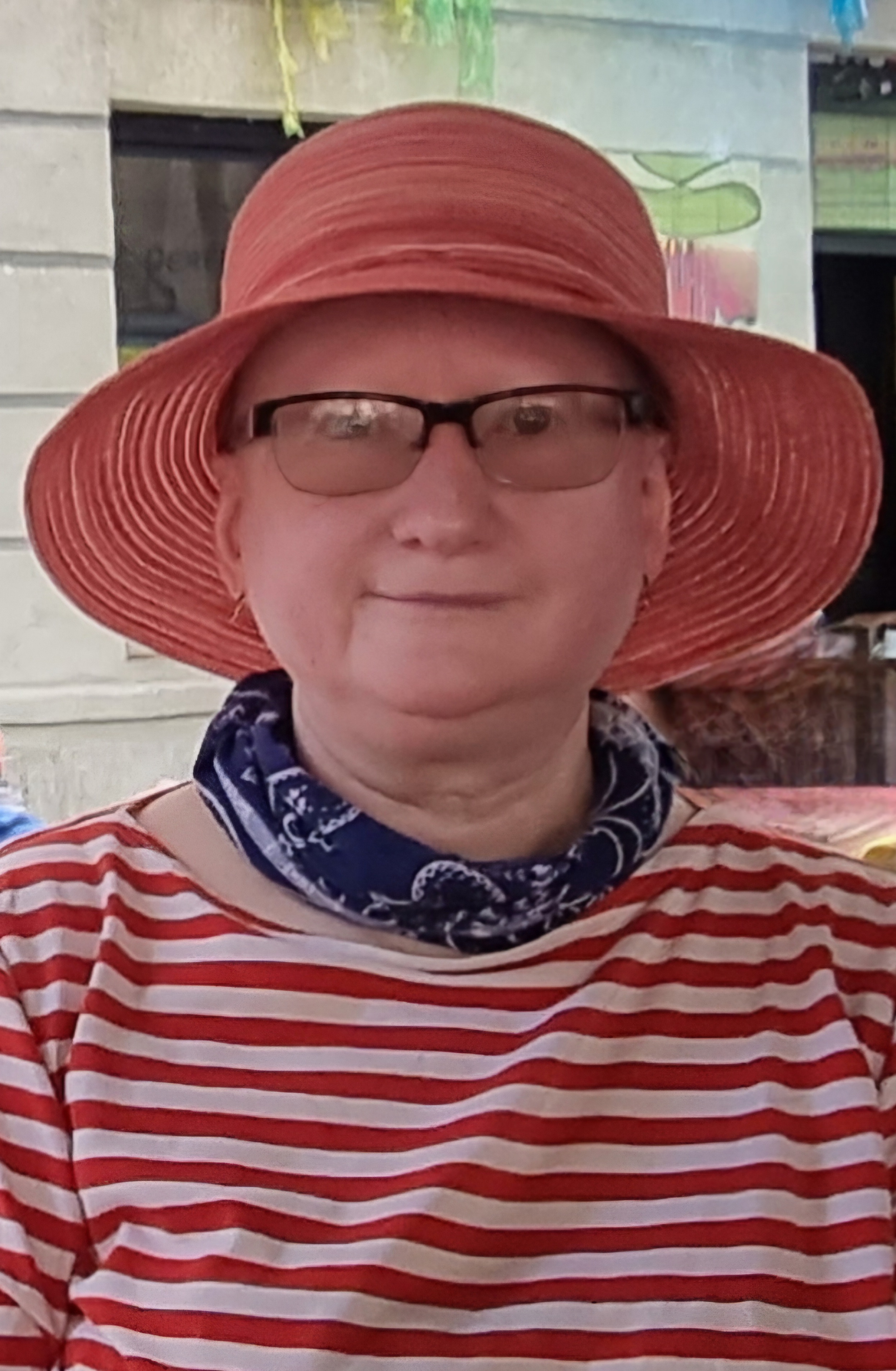
Marta Cascante
University of Barcelona-Institute of Biomedicine (IBUB)
CIBEREHD-ISCIII Spain
University of Barcelona-Institute of Biomedicine (IBUB)
CIBEREHD-ISCIII Spain
*Recipient of 2025 Metabolomics Society Honorary Fellowship
Marta Cascante is Full Professor of Biochemistry at the Department of Biochemistry and Molecular Biomedicine and the Institute of Biomedicine (IBUB) of the University of Barcelona, and a principal investigator at CIBEREHD-ISCIII. A pioneer in metabolic control analysis, her early work helped establish key mathematical foundations of the field. With her team, she developed 13C-based methods for dynamic metabolic flux analysis and the first software capable of computing dynamic metabolic flux distributions. Her current research integrates metabolomics, fluxomics, and genome-scale metabolic modeling to elucidate metabolic reprogramming in multifactorial diseases, including metastatic cancer and metabolic disorders, with the aim of identifying biomarkers and druggable metabolic targets. Her group performs cutting-edge interdisciplinary research in integrative biochemistry to uncover the full spectrum of metabolic abnormalities in complex diseases and to discover novel therapeutic targets and predictive biomarkers.
Professor Cascante has authored 330+ peer-reviewed publications and supervised 40+ PhD theses. She served on the Board of Directors of the Metabolomics Society (2009–2013) and, since 2020, on the Board of the Spanish Metabolomics Society (SESMET), which she co-founded. She has contributed to major international consortia and Marie Skłodowska-Curie training networks, demonstrating a strong commitment to training in metabolomics and fluxomics.
Her translational research uncovered targetable metabolic vulnerabilities in metastatic colorectal cancer and demonstrated a critical role for PDK1 and lactate-fuelled respiration in FLT3-ITD+ AML. She is co-inventor on patents covering a CDK4/6–glutaminase combination therapy (PCT/EP2016/067524) and the IMMETCOLS transcriptomic signature (EP21382772). Her scientific leadership has been recognized with the Narcís Monturiol Medal (2015) and three ICREA Academia Awards (2010, 2015, 2021). Cascante holds a degree in Chemistry and a PhD in Biochemistry.
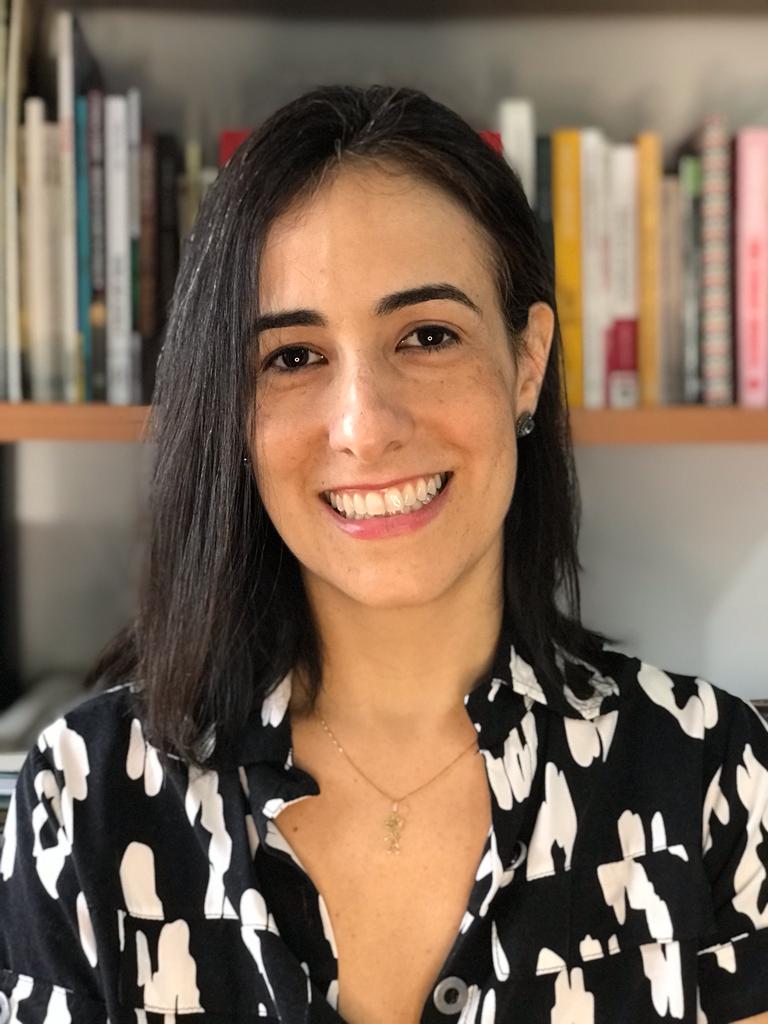
Mariana Simões Larraz Ferreira
Federal University of the State of Rio de Janeiro (UNIRIO)
Center of Innovation in Mass Spectrometry (IMasS), UNIRIO, Brazil
Federal University of the State of Rio de Janeiro (UNIRIO)
Center of Innovation in Mass Spectrometry (IMasS), UNIRIO, Brazil
Mariana Ferreira earned her degree in Food Engineering from the University of São Paulo (USP), Brazil, and completed her Ph.D. in Chemistry, Biochemistry, and Food Technology at the Institute Agro Montpellier, France (2011). Since 2013, she has been Professor at the Federal University of the State of Rio de Janeiro (UNIRIO) in the Department of Science and currently Director of the Center of Innovation in Mass Spectrometry (IMasS) at the same university. She is Scientist Fellow at FAPERJ (Foundation for Research Support of State of Rio de Janeiro) and at CNPq (National Council for Scientific and Technological Development).
Dr. Larraz is a dedicated researcher who has been a collaborator of the Center for Innovation in Mass Spectrometry since its inauguration in 2013. Her work focuses on the application of advanced mass spectrometry techniques to investigate the metabolomics and proteomics of food systems. She has a particular research emphasis on cereal metabolomics, aiming to unravel the complex biochemical profiles of grains. Her research is highly collaborative, featuring extensive work with diverse national and international partners, notably including INRAE in France, University of Granada (Spain) and the Metabolomics Core Facility (MetCore) at the Universidad de los Andes in Colombia.
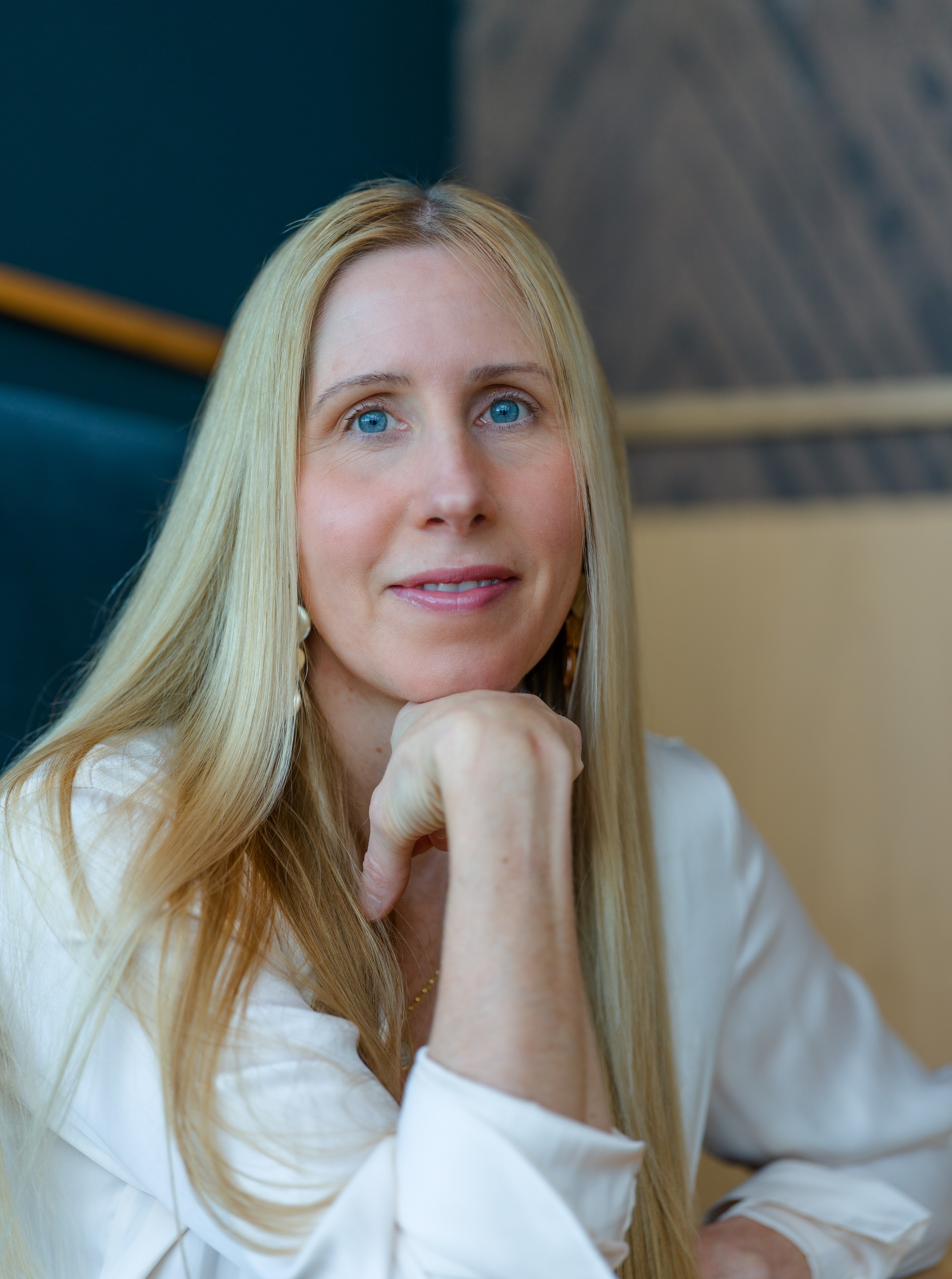
Jessica Lasky-Su
Brigham and Women's Hospital
Harvard Medical School, United States
Brigham and Women's Hospital
Harvard Medical School, United States
*Recipient of 2025 Metabolomics Society Honorary Fellowship
Dr. Lasky-Su is an Associate Professor at Brigham and Women’s Hospital and Harvard Medical School who has been a leader in applying genetics, epigenetics, metabolomics, and antibody profiling to epidemiologic research, covering a wide range of chronic diseases across the entire life course. Much of her work has focused on chronic disease and longevity through the lens of integrative metabolomics—the integration of multiple omics, using a metabolomics-centric perspective to study complex diseases and aging. As integrative multiomics continues to emerge as a field, Dr. Lasky-Su’s scholarship has made broad contributions, with nearly 300 peer-reviewed publications spanning diverse disease and aging-related outcomes (e.g., biological age, cancer, respiratory, ocular, infectious, metabolic, and neurodevelopmental/mental health disorders) and exposures (e.g., air pollutants, PFAS, nutrition, and exercise) that influence health across the life course.
Building on a longstanding focus on respiratory disease, Dr. Lasky-Su has increasingly centered her work on the biology of aging, using multi-omic and electronic health record (EHR) data within the Mass General Brigham (MGB) Biobank to drive precision medicine. She leads a large, prospective, deeply phenotyped cohort with integrated metabolomic, epigenomic, proteomic, and antibody data, enabling the development of robust biological aging biomarkers and cross-disease molecular signatures. She is also PI of the NIH RECOVER Systems Biology grant, which is generating multi-omics data across five platforms in over 12,000 individuals to study the long-term impact of COVID-19 infection on overall health and aging trajectories. In parallel, her work in large-scale antibody-reactome mapping has opened new avenues for linking viral and host autoantibody profiles to chronic conditions—including neurodegenerative, autoimmune, cardiometabolic, and respiratory diseases. Through these efforts, Dr. Lasky-Su is advancing metabolomics-centered multi-omics as a foundation for population-scale precision medicine targeting aging and chronic disease.
Building on a longstanding focus on respiratory disease, Dr. Lasky-Su has increasingly centered her work on the biology of aging, using multi-omic and electronic health record (EHR) data within the Mass General Brigham (MGB) Biobank to drive precision medicine. She leads a large, prospective, deeply phenotyped cohort with integrated metabolomic, epigenomic, proteomic, and antibody data, enabling the development of robust biological aging biomarkers and cross-disease molecular signatures. She is also PI of the NIH RECOVER Systems Biology grant, which is generating multi-omics data across five platforms in over 12,000 individuals to study the long-term impact of COVID-19 infection on overall health and aging trajectories. In parallel, her work in large-scale antibody-reactome mapping has opened new avenues for linking viral and host autoantibody profiles to chronic conditions—including neurodegenerative, autoimmune, cardiometabolic, and respiratory diseases. Through these efforts, Dr. Lasky-Su is advancing metabolomics-centered multi-omics as a foundation for population-scale precision medicine targeting aging and chronic disease.
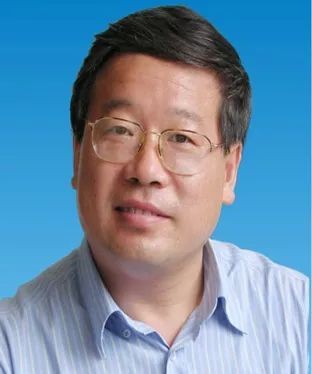
Huiru Tang
Fudan University, China
Fudan University, China
Dr. Huiru Tang is a Distinguished Professor (in metabonomics and systems biology) at Fudan University (School of Life Sciences, Human Phenome Institute and Zhongshan Hospital). During last decades, he has been developing novel metabonomics methods and studying molecular phenotypes of metabolic dysfunction associated diseases and host-microbiome symbiotic interactions.
After earned his PhD in chemistry from University of London in 1994, he worked at Institute of Food Research, UK, and Imperial College London as a Senior Scientist before joining the Chinese Academy of Sciences as a Research Professor in 2005. He then joined Fudan University in 2014 as a professor. He authored >230 peer-reviewed papers in Nature, Nat Microbiol, Nat Aging, Cell Res, Cell Genomics, Cell Rep Med, Cell Rep, Immunity, EMBO J, J Hepatol, PNAS, J Am Chem Soc et al with >16000 citations (h-index: 72; https://www.researchgate.net/profile/Huiru-Tang). He was elected as Fellow of the Royal Society of Chemistry (2005) and received a National Award for Outstanding Young Scholars in China (2008). He is an Executive Committee Member of ENC, editorial board members (or Associated Editors) for numerous international scientific journals, and the President of the Metabolomics Society of China since 2018.
After earned his PhD in chemistry from University of London in 1994, he worked at Institute of Food Research, UK, and Imperial College London as a Senior Scientist before joining the Chinese Academy of Sciences as a Research Professor in 2005. He then joined Fudan University in 2014 as a professor. He authored >230 peer-reviewed papers in Nature, Nat Microbiol, Nat Aging, Cell Res, Cell Genomics, Cell Rep Med, Cell Rep, Immunity, EMBO J, J Hepatol, PNAS, J Am Chem Soc et al with >16000 citations (h-index: 72; https://www.researchgate.net/profile/Huiru-Tang). He was elected as Fellow of the Royal Society of Chemistry (2005) and received a National Award for Outstanding Young Scholars in China (2008). He is an Executive Committee Member of ENC, editorial board members (or Associated Editors) for numerous international scientific journals, and the President of the Metabolomics Society of China since 2018.
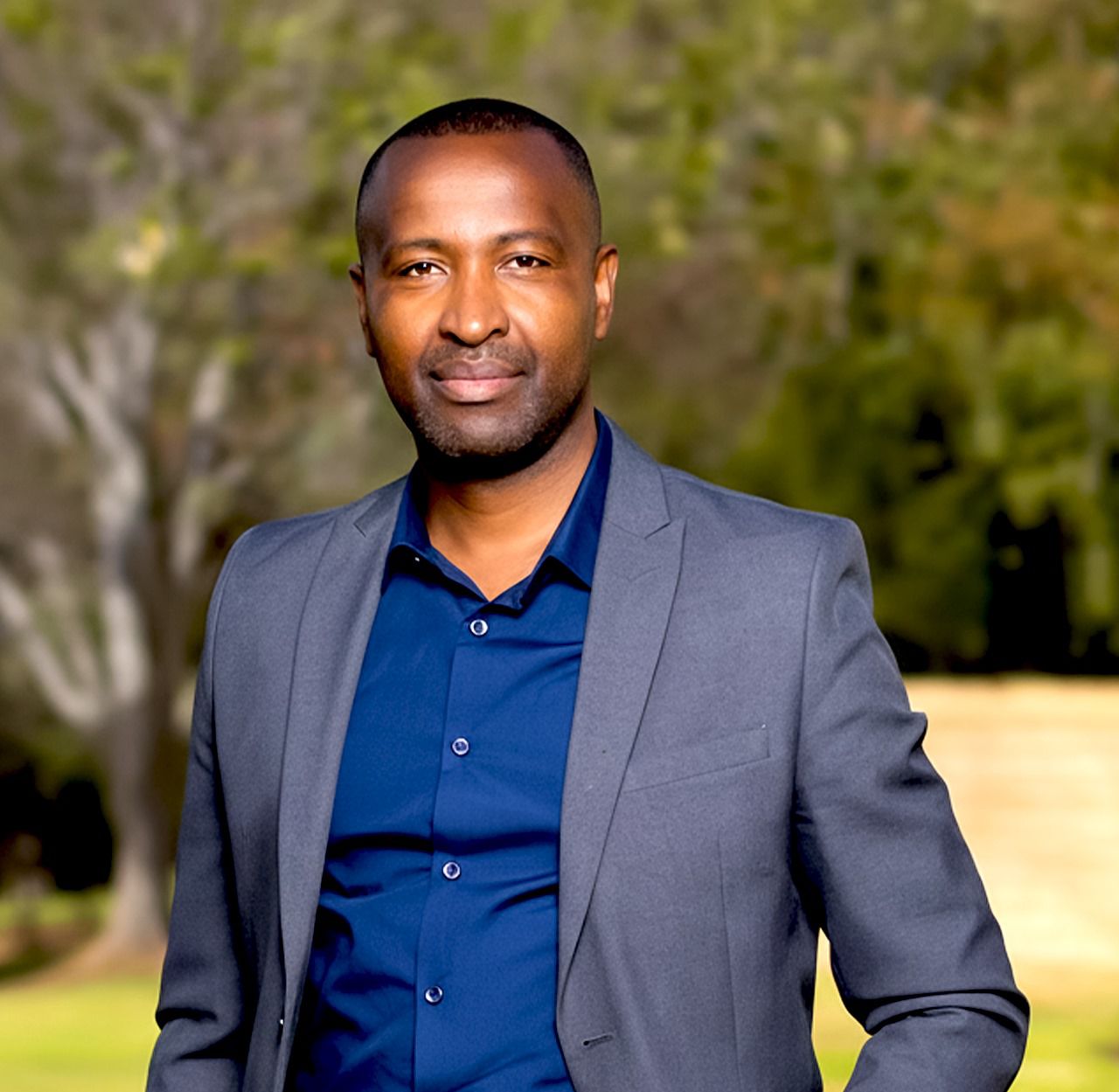
Fidele Tugizimana
University of Johannesburg, South Africa
University of Johannesburg, South Africa
Fidele Tugizimana is a leading biochemist and expert in computational metabolomics whose work bridges metabolomics, systems biology, and artificial intelligence (AI) to address challenges in human health, agriculture, and biotechnology. He is the Director of the Research Centre for Plant Metabolomics at the University of Johannesburg, Specialist Scientist in International R&D Management at Omnia Group Ltd (South Africa), and Visiting Professor at the University of Messina, Italy.
Fidele Tugizimana holds a PhD in Biochemistry, and an MBA with a focus on Digital Transformation. His research spans medicinal plants, natural products, drug discovery, plant biostimulant mechanisms, host–microbe interactions, and AI-driven methodologies. He leads a dynamic research group of over 25 MSc and PhD students and postdoctoral fellows, The Tugizimana Lab, fostering interdisciplinary training and collaborations.
Recognized among the world’s top 2% scientists (Elsevier–Stanford, 2024, 2025), he has contributed to advancing global metabolomics through leadership, mentorship, and scholarly impact. A passionate advocate for African scientific excellence and societal impact, he is a co-founder and current President of Metabolomics South Africa (MSA), an affiliate of the Metabolomics Society since 2018. His leadership has been instrumental in promoting metabolomics research, education, and capacity-building across the African continent. Fidele Tugizimana is recognized internationally for his scientific leadership, interdisciplinary approach, and commitment to advancing metabolomics as a transformative and impactful science for global health and sustainability.
Fidele Tugizimana holds a PhD in Biochemistry, and an MBA with a focus on Digital Transformation. His research spans medicinal plants, natural products, drug discovery, plant biostimulant mechanisms, host–microbe interactions, and AI-driven methodologies. He leads a dynamic research group of over 25 MSc and PhD students and postdoctoral fellows, The Tugizimana Lab, fostering interdisciplinary training and collaborations.
Recognized among the world’s top 2% scientists (Elsevier–Stanford, 2024, 2025), he has contributed to advancing global metabolomics through leadership, mentorship, and scholarly impact. A passionate advocate for African scientific excellence and societal impact, he is a co-founder and current President of Metabolomics South Africa (MSA), an affiliate of the Metabolomics Society since 2018. His leadership has been instrumental in promoting metabolomics research, education, and capacity-building across the African continent. Fidele Tugizimana is recognized internationally for his scientific leadership, interdisciplinary approach, and commitment to advancing metabolomics as a transformative and impactful science for global health and sustainability.
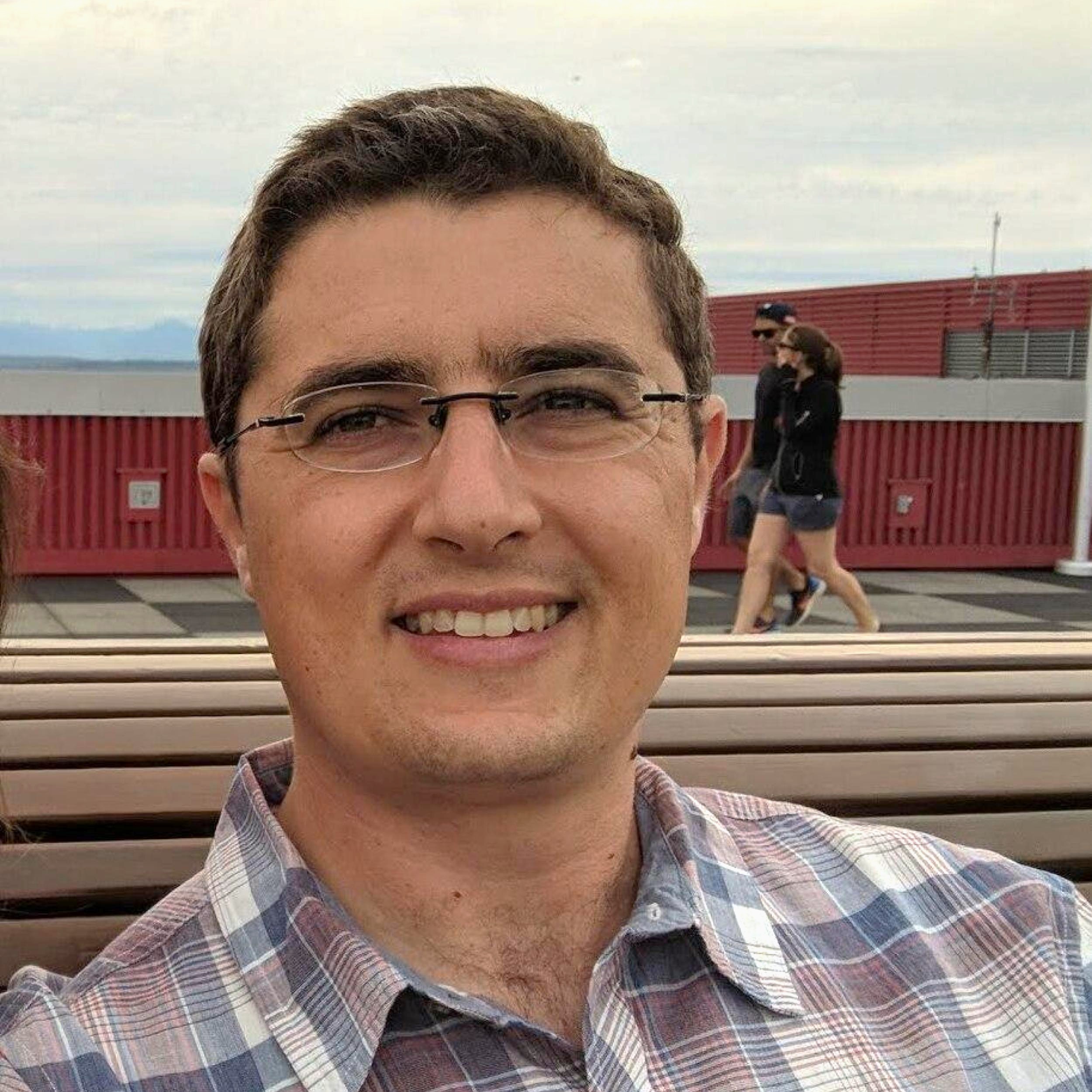
Ricardo R. da Silva
School of Pharmaceutical Sciences of Ribeirão Preto (FCFRP-USP), Brazil
School of Pharmaceutical Sciences of Ribeirão Preto (FCFRP-USP), Brazil
Dr. da Silva holds a PhD in Bioinformatics with a focus on computational metabolomics. During the postdoctoral period, he worked on the development of databases, multivariate statistics for omics data, and the application and development of quantitative methods for multidimensional data integration. He currently conducts research in the field of data science, aiming to integrate diverse data sources and utilize computational statistics to elucidate altered metabolic pathways under various sampling conditions in different organisms, especially microorganisms. He is currently an assistant professor at the University of São Paulo, where he coordinates the Computational Chemical Biology Laboratory (CCBL - http://ccbl.fcfrp.usp.br/ccbl/).
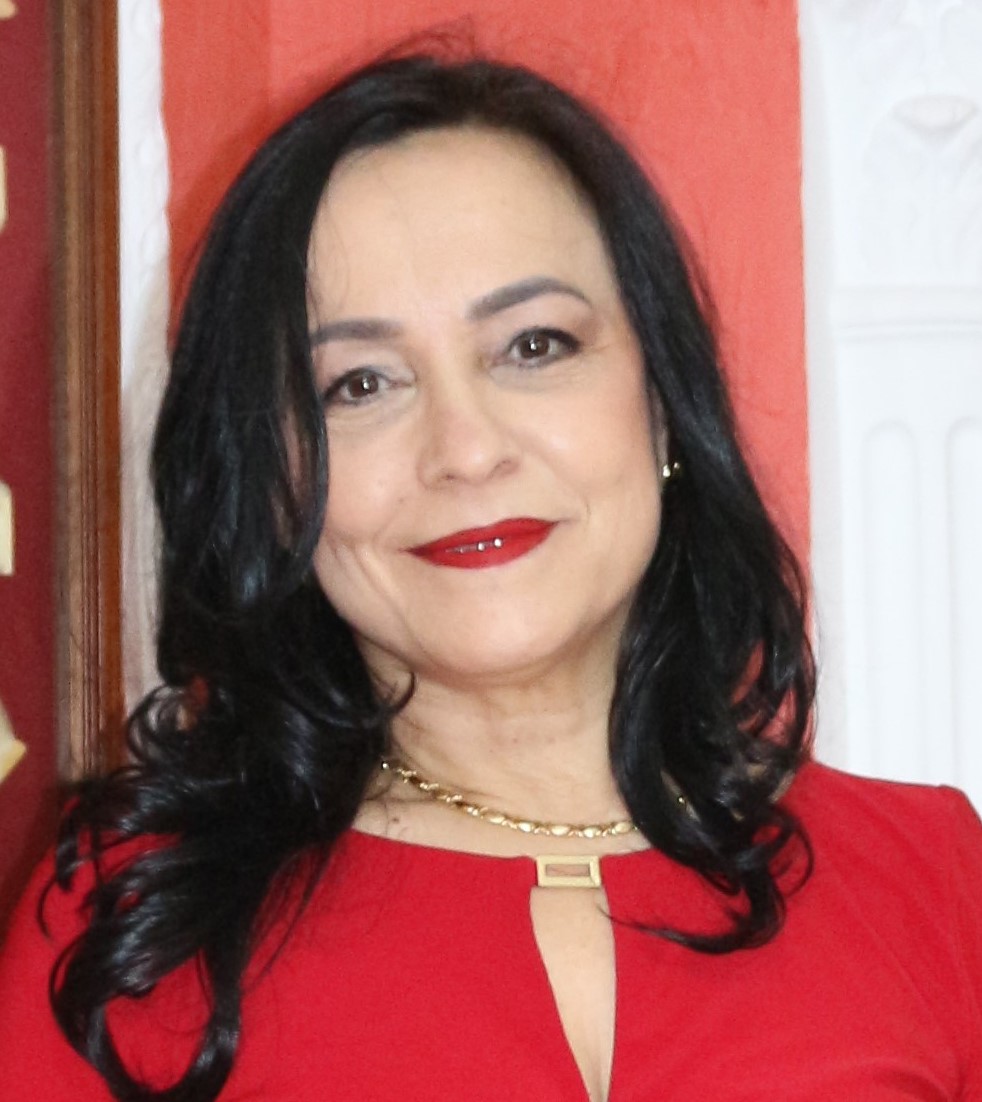
Antonia García
Centre of Metabolomics and Bioanalysis, CEMBIO, Universidad San Pablo CEU, Spain
Centre of Metabolomics and Bioanalysis, CEMBIO, Universidad San Pablo CEU, Spain
Antonia García is currently Full Professor in Analytical Chemistry in the faculty of Pharmacy, Universidad San Pablo CEU. She has been engaged in chromatography research—emphasizing the development, validation, and application of analytical methods—since 1997, collaborating with several pharmaceutical companies. Since 2005, she has specialized in metabolomics using mass spectrometry (MS) coupled with high-resolution separation techniques, applied to a broad range of biological samples from clinical, animal, and cellular studies. In 2008, she co-founded the Centre for Metabolomics and Bioanalysis (CEMBIO). Her research includes leading and participating in national and international projects focused on developing innovative methodologies for targeted and untargeted metabolomics and lipidomics, addressing diseases such as cancer, obesity, neurodegenerative disorders, and infectious conditions. Since 2013, she has served as Head of the Metabolomics Laboratory at CEMBIO and as Secretary of the Ph.D. Program in Science and Health Technologies (CEINDO). Additionally, she is a Board Member of the Royal Spanish Society of Chemistry.
Isabel Garcia Perez
Imperial College London, United Kingdom
Imperial College London, United Kingdom
Dr Isabel Garcia Perez is an Associate Professor in Precision and Systems Medicine at Imperial College London and a leading innovator in nutritional science. Trained initially as an analytical chemist at San Pablo CEU, Madrid, her work has expanded to integrate analytical chemistry, metabolic phenotyping and clinical nutrition to transform how dietary exposures and responses are measured and understood.
She has pioneered objective, metabolism-based approaches to nutrition, bridging clinical science and advanced spectroscopy to develop new models for assessing dietary effectiveness and predicting individual responses to diet, with a focus on cardiometabolic disease risk. Her work is recognised by a series of awards and fellowships, including two prestigious NIHR Fellowships supporting her work on nutritional biomarkers and inter-individual metabolic responses, as well as awards from the Royal Society of Chemistry, the Wellcome Trust and the BBSRC. Her current research portfolio includes several EU research programmes on the impact of diet on non-communicable diseases and microbial–nutrient interactions. Her research has delivered scalable platforms for personalised nutrition with broader applications across precision medicine, directly addressing the limitations of self-reported dietary assessment.
Dr Garcia Perez’s translational impact is reflected in her commitment to next-generation scientists, having recently been awarded an EU Horizon doctoral network grant to map the impact of food bioactives on human metabolism. In addition to her academic responsibilities, Isabel co-founded and is currently CEO of Melico Sciences Ltd, a personalised nutrition company working to embed objective nutritional biomarkers into personalised care and population-level policy.
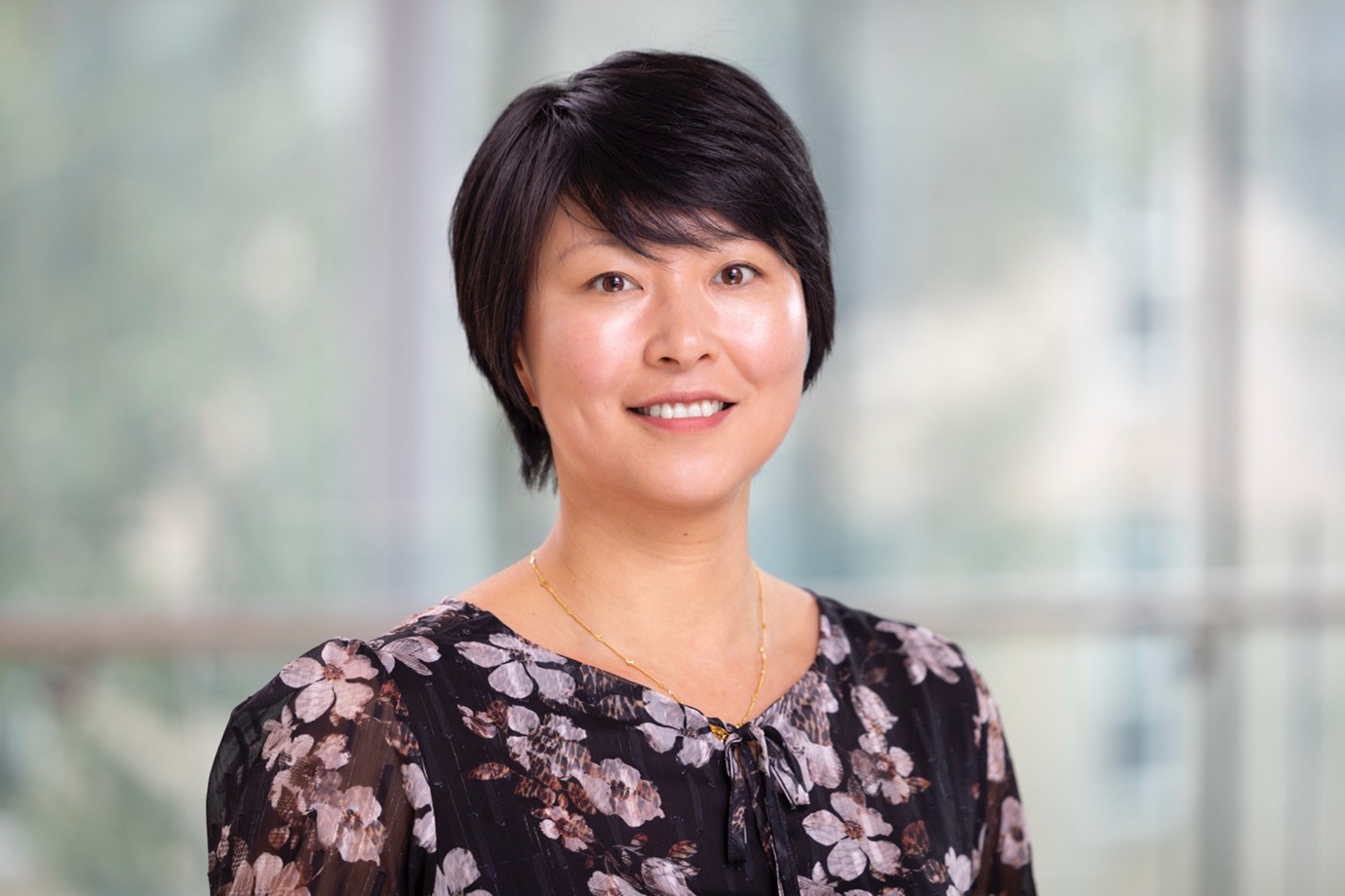
Jia Li
Imperial College London, United Kingdom
Imperial College London, United Kingdom
Dr Jia Li is an Associate Professor in Biological Chemistry and co-lead of the Section of Nutrition in the Department of Metabolism, Digestion, and Reproduction at Imperial College London. Jia obtained her BSc (Hons) in Chemistry from Nankai University, China, and PhD in Biochemistry from the University of London, UK. Dr Li is a Fellow of the Royal Society of Chemistry and the Higher Education Academy, and a member of the Biochemical Society and the Metabolomics Society. Her research has been supported by several prestigious awards, including Imperial College Research Fellowship, Medical Research Council New Investigator Grant, European Research Council Starting Grant, Wang-Kuan-Cheng Research Fellowship, and Elsie Widdowson Fellowship Award. Dr Li has co-led the Gut Health Theme within the Imperial Biomedical Research Centre, funded by the National Institute for Health and Care Research (2018-2022).
She previously served as Deputy Director of Imperial International Phenome Training Centre (2013- 2020) and was President of the Society of Chinese Life Scientists in the UK (2023-2025). Her research group explores the complex interplay between host metabolism, diet, and the gut microbiota using nuclear magnetic resonance spectroscopy- and mass spectrometry-based metabolic profiling. By integrating these approaches with other technologies including multi-omics, immunofluorescence, immunohistochemistry and flow cytometry, her team aims to elucidate the roles of metabolites in maintaining human health.
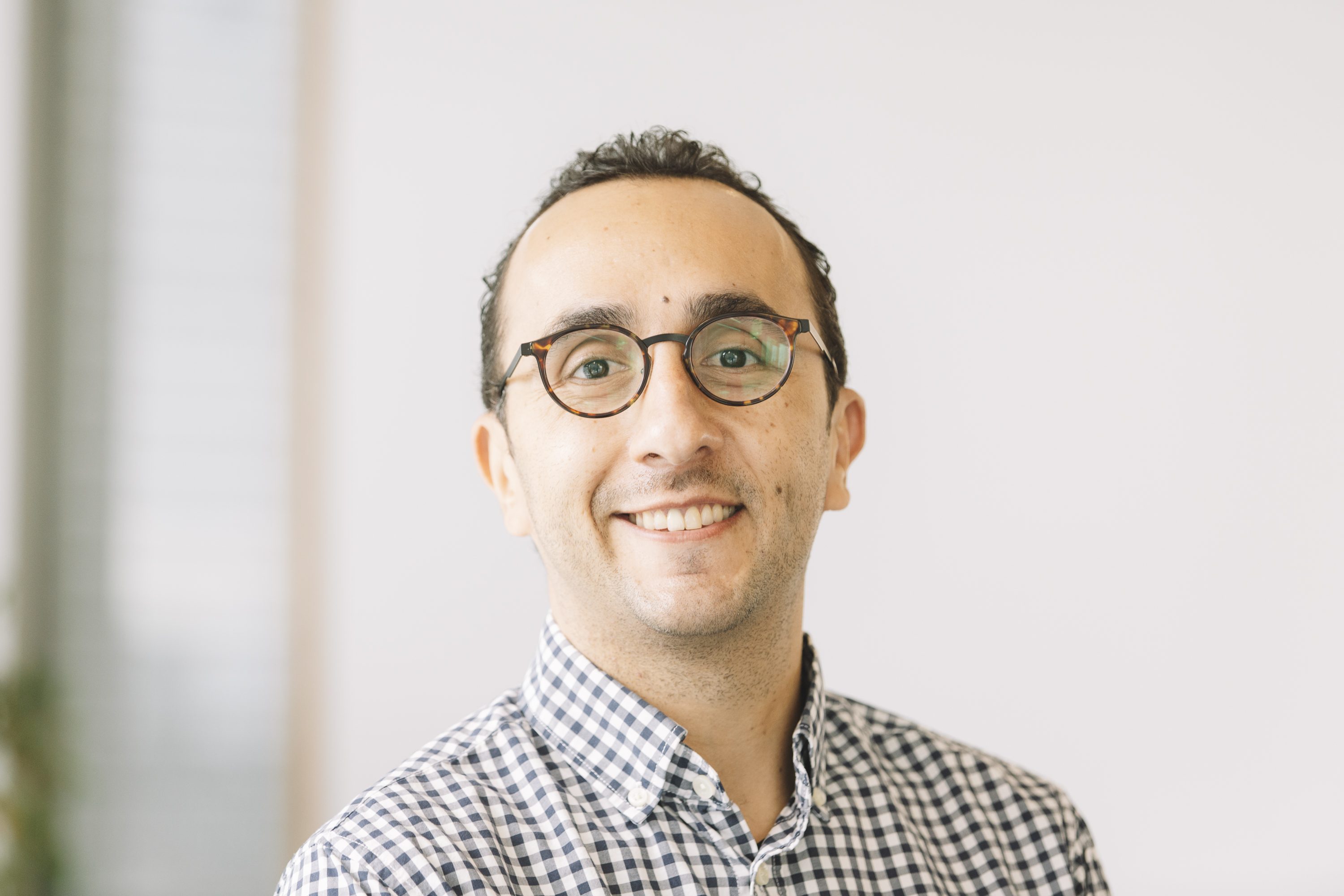
J. Rafael (Rafa) Montenegro Burke
University of Toronto, Canada
University of Toronto, Canada
Rafa earned his PhD in chemistry at Vanderbilt University under the guidance of Dr. John A. McLean, focusing on the analysis of complex biological samples using ion mobility-mass spectrometry. From 2016–2020, he was a postdoctoral fellow in the laboratory of Dr. Gary Siuzdak at The Scripps Research Institute in La Jolla, CA, where he focused on solving current challenges in the identification of unknown metabolites and their corresponding biological function/activity in disease. He joined the faculty of the Donnelly Centre for Cellular and Biomolecular Research at the University of Toronto as an assistant professor in the Fall of 2020 and is a Canada Research Chair in Functional Metabolomics and Lipidomics. The Montenegro Burke laboratory focuses on the development and application of mass spectrometry and bioinformatics approaches to functionally characterize the metabolome and discover novel metabolic vulnerabilities and therapeutic opportunities for disease.
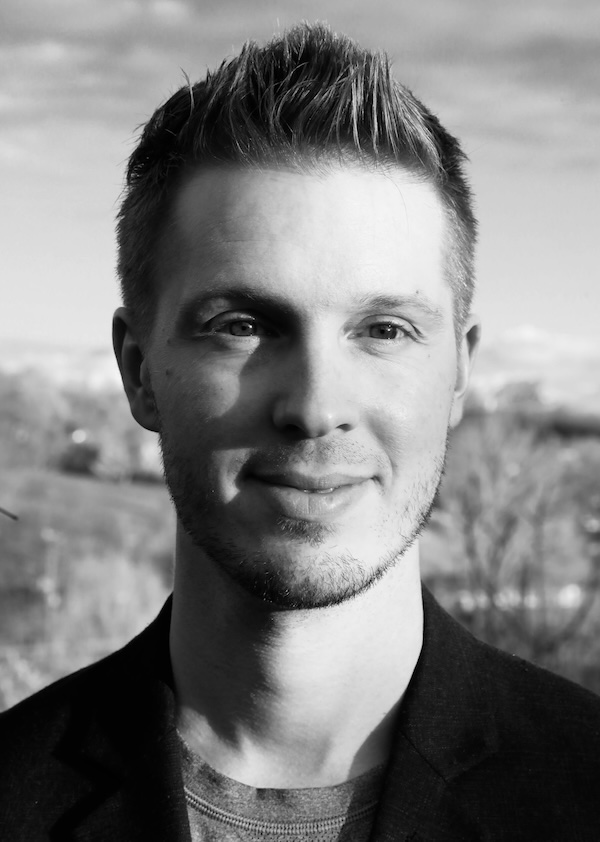
Louis-Félix Nothias
Université Côte d'Azur, France
Université Côte d'Azur, France
Dr. Louis-Félix Nothias is a CNRS Junior Professor and Interdisciplinary Institute for Artificial Intelligence (3iA) Côte d'Azur affiliated chair at Université Côte d'Azur in Nice France. In 2023 he founded the HolobiomicsLab at the Institut de Chimie de Nice (https://holobiomicslab.cnrs.fr) which develops approaches combining advanced mass spectrometry-based metabolomics with artificial intelligence for studying holobionts and their microbiomes. His research advances both deep metabolomics acquisition strategies and AI-driven data analysis through knowledge graphs and intelligent assistants. He co-coordinates MetaboLinkAI (https://www.metabolinkai.net) an international Franco-Swiss consortium developing open AI frameworks for metabolomics that unites leading institutions including ETH Zurich CNRS SIB and Inria. Prior to this Dr. Nothias was a research associate at the University of Geneva with Prof. Jean-Luc Wolfender (2021-2023) and a postdoctoral researcher at the University of California San Diego with Prof. Pieter Dorrestein (2016-2021) where he collaboratively contributed to the development of computational methods/platforms including GNPS MZmine and SIRIUS.