Local Information
Buenos Aires, the capital of Argentina, is a city rich in history, culture, and architectural character. Often called the “Paris of South America,” it offers visitors a distinctive blend of European influence and local porteño identity, alongside vibrant contemporary arts, food, and nightlife. Click the PDF below for helpful highlights!
Buenos Aires Highlights - PDF Doc
Buenos Aires Visitor Info: https://turismo.buenosaires.gob.ar/en
Argentina Visitor Info: https://www.argentina.travel/en

Climate
The high temperature in June averages around 60°F or 16°C, with evening temps dropping around 47°F or 9°C. Weather can change quickly; attendees should plan layers and consider packing light rain protection. Check the forecast close to your travel dates to plan appropriately.
Currency
The official currency of Argentina is the Argentine Peso (ARS). Credit cards are commonly accepted in hotels, restaurants, and larger shops, but smaller vendors may prefer cash. ATMs are widely available. It is recommended to confirm payment options in advance for taxis, markets, and smaller establishments.
Power Outlets
Argentina primarily uses Type I outlets, with some Type C outlets available in select hotels. Electrical voltage is 220V with a frequency of 50Hz. Travelers from regions using 110–120V will need a plug adapter and may need a voltage converter depending on their devices.
Tipping
Tipping in Buenos Aires is customary but not obligatory. In restaurants, it is common to leave around a 10% tip for good service. Taxis may be tipped by rounding up the fare. Hotel staff and tour guides also appreciate small tips based on service.
Emergency Service Numbers
- General Emergency: 911
- Police: 911
- Ambulance (Medical Emergencies): 107 / 911
- Fire: 100
Can’t Miss Buenos Aires Spots
- Plaza de Mayo and Casa Rosada: The historic political and civic heart of Buenos Aires, surrounded by landmark buildings and museums.
- Recoleta Cemetery: A world-famous cemetery and cultural site known for its ornate mausoleums and historic figures.
- Teatro Colón: One of the world’s most renowned opera houses, celebrated for its architecture and acoustics. Guided tours are widely available. Highly recommended and worth a visit!
- La Boca and Caminito: A colorful neighborhood known for street art, tango culture, and the Caminito walkway. Visit during daytime and stay aware of surroundings.
- Palermo Parks and MALBA: Enjoy green spaces such as Bosques de Palermo and visit MALBA (Museum of Latin American Art of Buenos Aires) for modern and contemporary collections.
- Palermo, Puerto Madero, and San Telmo: Explore three distinct sides of Buenos Aires, from Palermo’s restaurants, design shops, and nightlife to the modern waterfront of Puerto Madero and the cobbled streets, antiques, and tango culture of San Telmo.
- Museo Nacional de Bellas Artes: One of the city’s leading art museums, it features Argentine and international works across multiple periods and is a beautiful stop near the venue. Admission is based on a voluntary contribution, so visitors can pay what they wish.
Discover Buenos Aires by Guided Tour
- Buenos Aires Hop-On-Hop-Off Bus Tour: A flexible sightseeing option that allows visitors to explore major attractions at their own pace. Stops typically include historic districts, museums, parks, and shopping areas.
- Recoleta Neighborhood Walking Tour: A guided walking tour highlighting Recoleta Cemetery, nearby museums, and surrounding neighborhoods known for cultural and historical significance.
- Enjoy Traditional Asado at a Parrilla: Discover Buenos Aires through a guided parrilla food tour that highlights Argentina’s asado tradition, local beef culture, and a complete barbecue dinner in Palermo.
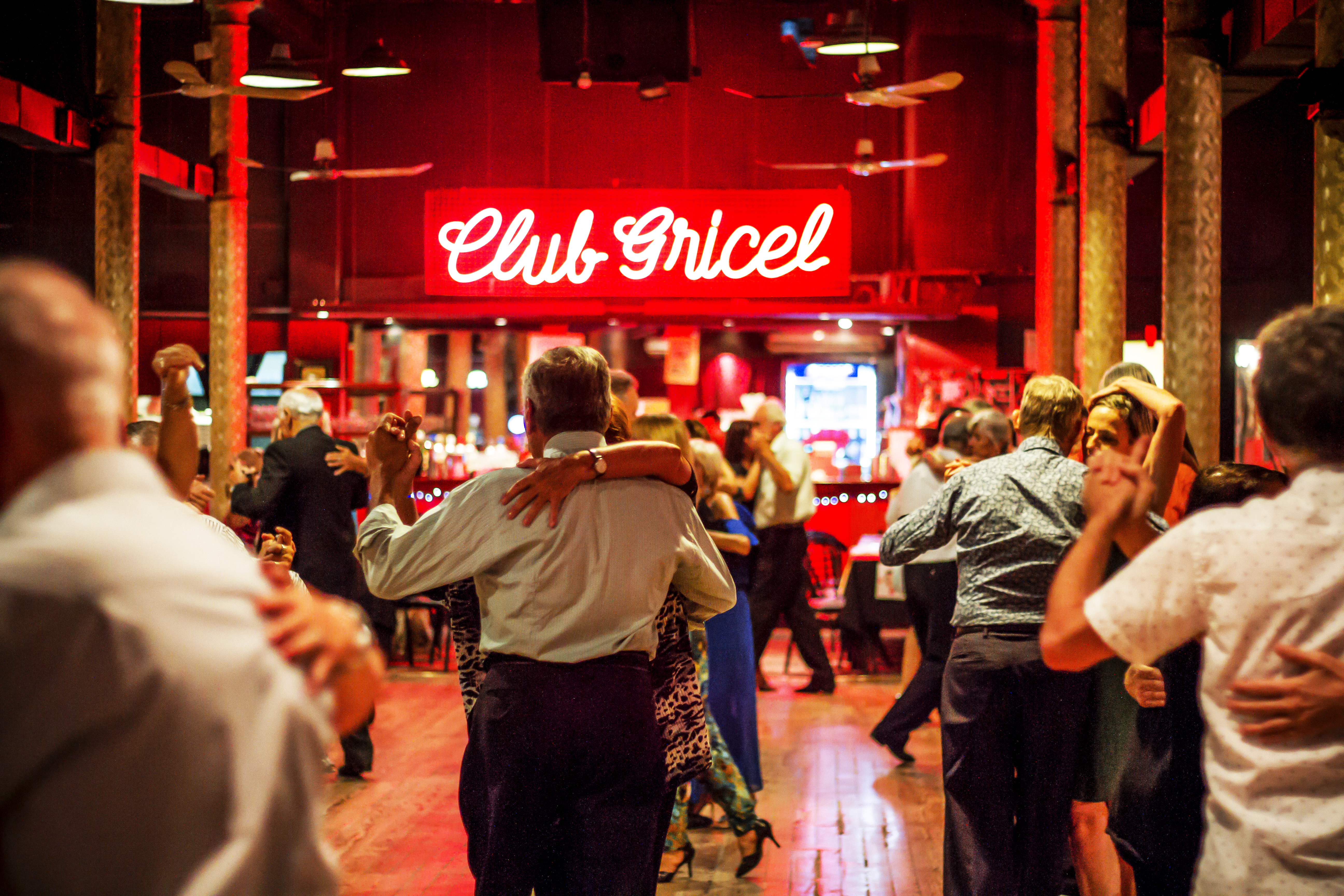
- Unique Tango Experience Milonga Night: Experience Buenos Aires tango culture at a traditional milonga, where locals gather to dance, socialize, and enjoy live or recorded tango music. A unique opportunity to observe or participate in an authentic Argentine tango night.
Getting Around Buenos Aires
Check out the Transportation page for several options.
Take advantage of the public transportation options, it’s easy to use, and the H line goes directly to the CEC venue. You don’t need to purchase a metro/SUBE card to ride, you can pay with a credit card.